




In the recycled and modified plastics pelletizing industry, many small and medium-sized plants still rely on manual sorting to remove impurities. Using the human eye to pick out black specs, yellow discoloration, and off-color pellets may appear to save equipment costs, but it hides enormous hidden expenses. Manual sorting comes with unavoidable industry pain points: rising labor costs, a shortage of skilled sorters, visual fatigue after long hours leading to high miss rates and false rejects, and inconsistent sorting standards that result in unstable product purity from batch to batch.
For transparent or light-colored plastic pellets, tiny black specs as small as 0.1 mm are virtually invisible to the naked eye – making manual sorting impossible. Defective pellets that slip through cause product downgrading, customer returns, and lost orders. This is a primary reason many plastic processors struggle with thin margins and cannot serve high-end customers.
A high-quality plastic sorting machine is not just a piece of processing equipment – it is a cost control tool. It addresses the waste inherent in manual sorting, directly reducing expenses in three key areas:
Lower labor costs – Fully automatic intelligent sorting eliminates the need for large sorting teams. One operator can run and monitor the machine, dramatically cutting annual labor expenses.
Reduce material waste – High-precision identification of defective pellets separates good from bad, allowing the machine to recover usable material that would otherwise be discarded. This improves raw material utilization and reduces waste.
Avoid return-related costs – Consistent, high-standard sorting removes black specs, burnt/yellowed particles, carbonized bits, and misshapen pellets. The resulting stable purity eliminates customer rejections, chargebacks, and penalty costs caused by color defects or impurities.
Industrial buyers value real data. The following production figures from actual plastic color sorter operation show the tangible improvements of mechanical sorting, based on typical small to medium pelletizing plant standards.
| Sorting Metric | Manual Sorting | Plastic Sorting Machine |
|---|---|---|
| Finished product purity | 85–90% | ≥99.2% |
| Material loss rate | 8–15% | ≤1.2% |
| Daily throughput | 0.8–1.2 tons | 6–12 tons (customizable) |
| Minimum detectable defect size | ≥0.4 mm | 0.1 mm (tiny black specs) |
The data clearly show that manual sorting is only suitable for low-grade, undemanding plastic materials. To sell pellets at higher prices and ensure consistent bulk shipments, automated plastic sorting equipment is essential for standardized purification.
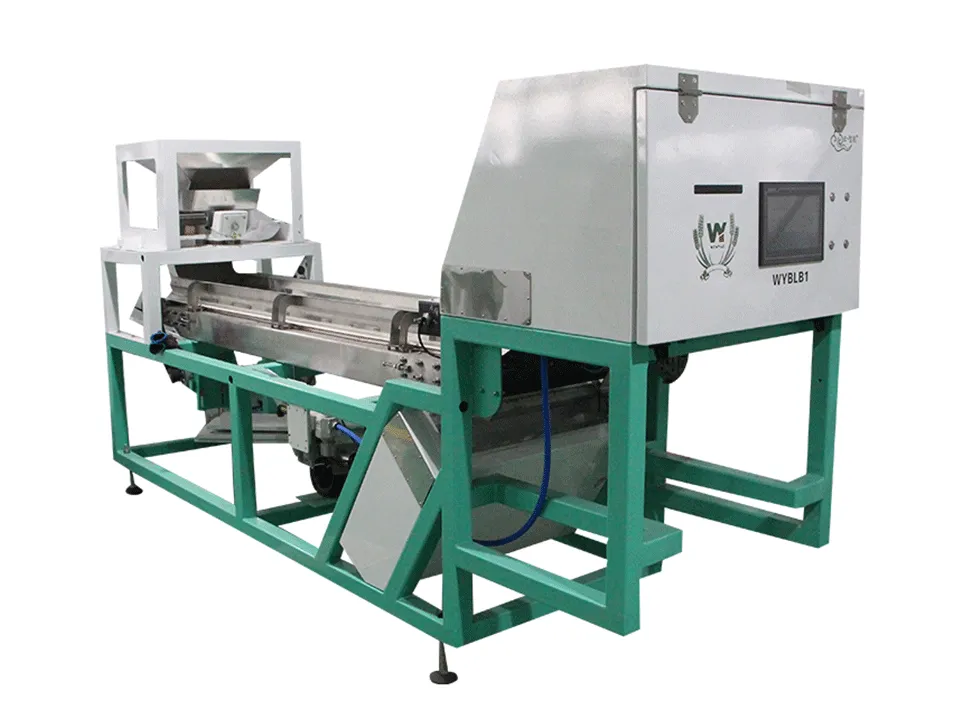
A professional plastic color sorting machine is designed for challenging recycled plastic environments. Its hardware is engineered for high dust levels, continuous operation, and frequent material changes – avoiding the jamming, mis-sorting, and frequent breakdowns common in lower-grade sorters.
High-definition CCD optical recognition system – Detects tiny black specs and color impurities invisible to the human eye, identifying various plastic defects with precision.
Wear-resistant feeding and conveying structure – Optimized for lightweight, slippery plastic pellets, reducing material bounce and missed sorting.
Intelligent automatic dust removal system – Prevents dust from obscuring the camera lens, allowing 24/7 uninterrupted production without frequent cleaning stops.
AI self-learning algorithm – Adapts to different plastic materials such as PET, PP, PE, ABS, and others. One-touch material changeover.
For a plastic processing plant, a color sorter is a one-time investment with long-term compounding returns. Beyond immediate sorting performance, its long-term value is even more compelling.
The machine is built with industrial-grade durable components – few wear parts, low failure rate, and simple, inexpensive maintenance. It can run continuously for years, handling large-volume orders with ease.
Purified, high-purity plastic pellets can be sold to injection molders, packaging manufacturers, and high-end compounders – commanding a significant price premium and creating a clear competitive advantage over low-end rivals.
Whether you are a small trial-scale plant or a large-scale recycling line, this plastic sorting machine adapts to your production rhythm, helping you achieve standardized quality and maximum profitability.
Q1: How small of a black spot can the plastic color sorter detect?
The machine can identify ultra-fine black specs, scorch marks, and carbonized particles as small as 0.1 mm – far beyond the capability of ordinary sorting equipment. Ideal for purifying transparent and light-colored high-end plastics.
Q2: Can one machine sort different plastic materials?
Yes. It handles most plastic pellets – PET, PP, PE, ABS, PVC, modified plastics, and more. The AI-powered system adapts automatically; one-button material mode changeover.
Q3: Is the machine difficult to operate? Does it require skilled technicians?
The machine features a multilingual touchscreen with an intuitive interface. Ordinary plant workers can learn to operate it after brief training – no specialized technicians needed.
Q4: Are long-term maintenance costs high?
The machine uses very few consumable parts. The built-in automatic dust removal system prevents dust buildup and jamming. Under normal use, only simple annual maintenance is required – extremely low cost.
Q5: Can it be integrated into an existing production line?
Yes. It can be seamlessly added to an existing pelletizing line, or used as a standalone unit. Suitable for both small processing shops and large-scale production plants.