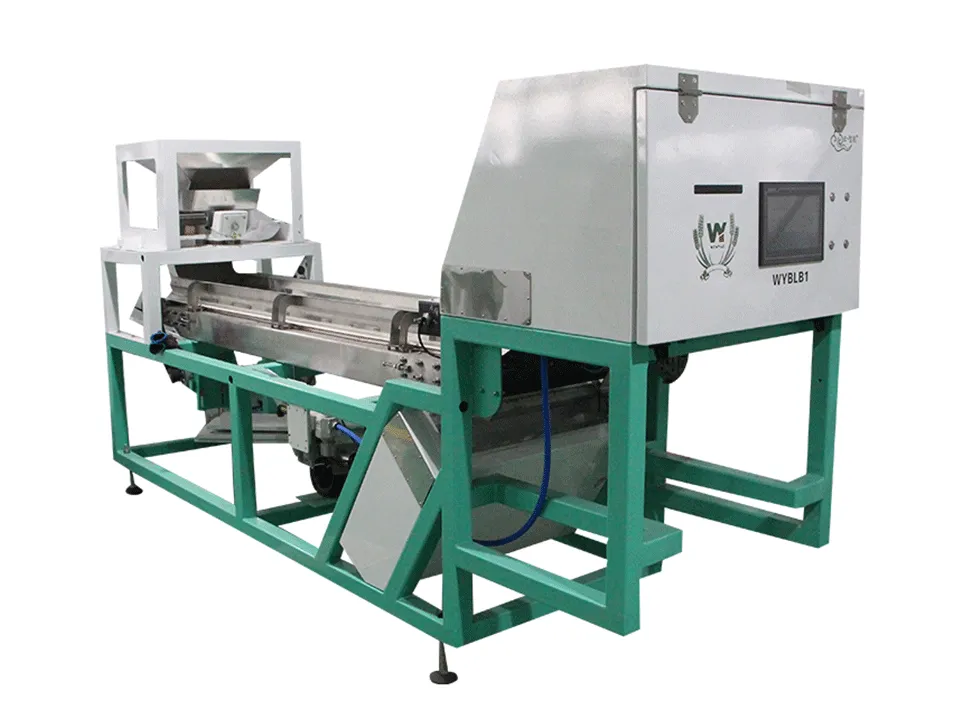
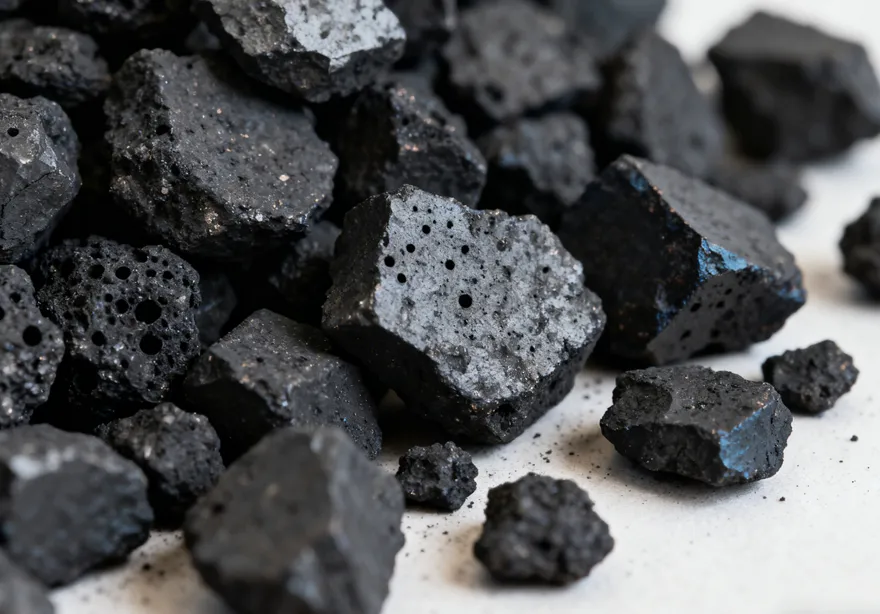
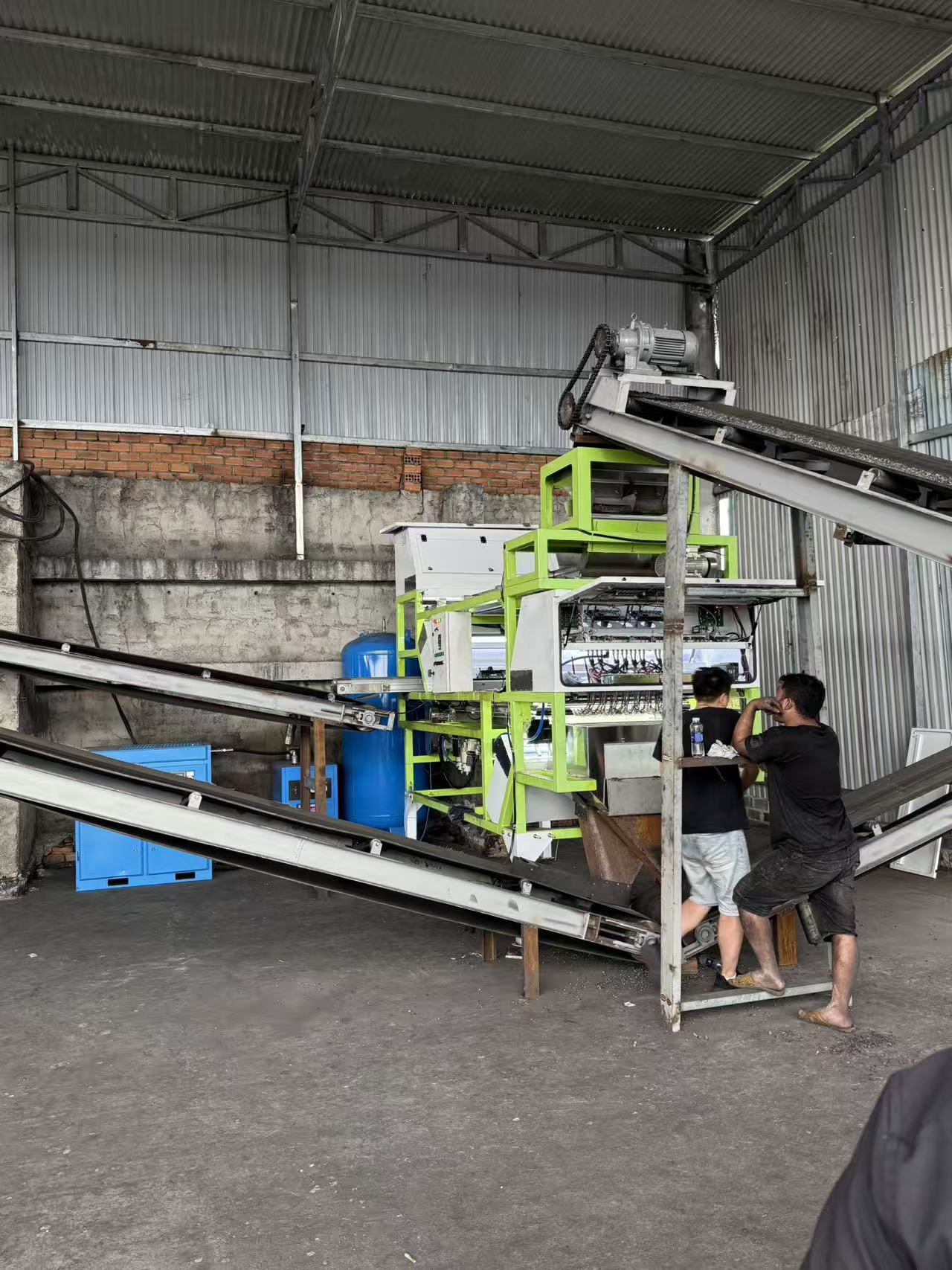

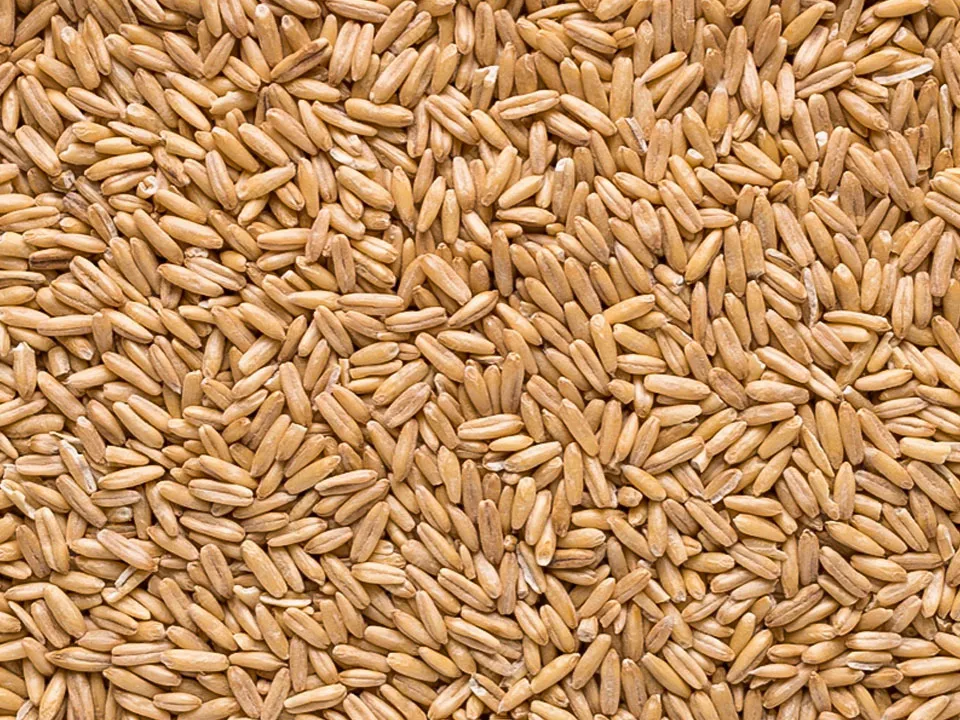
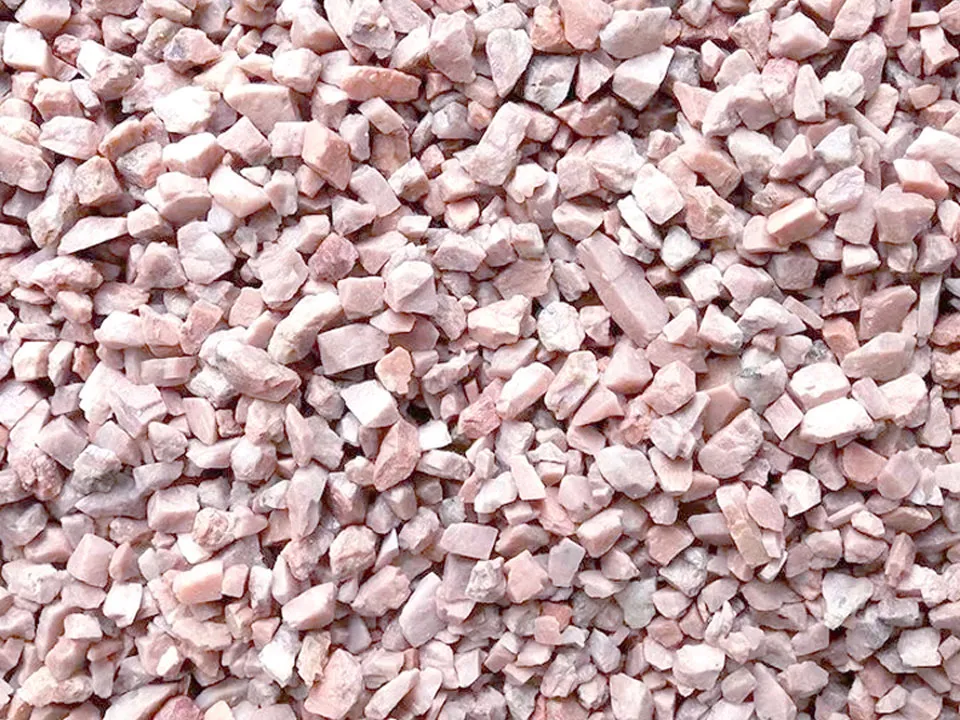


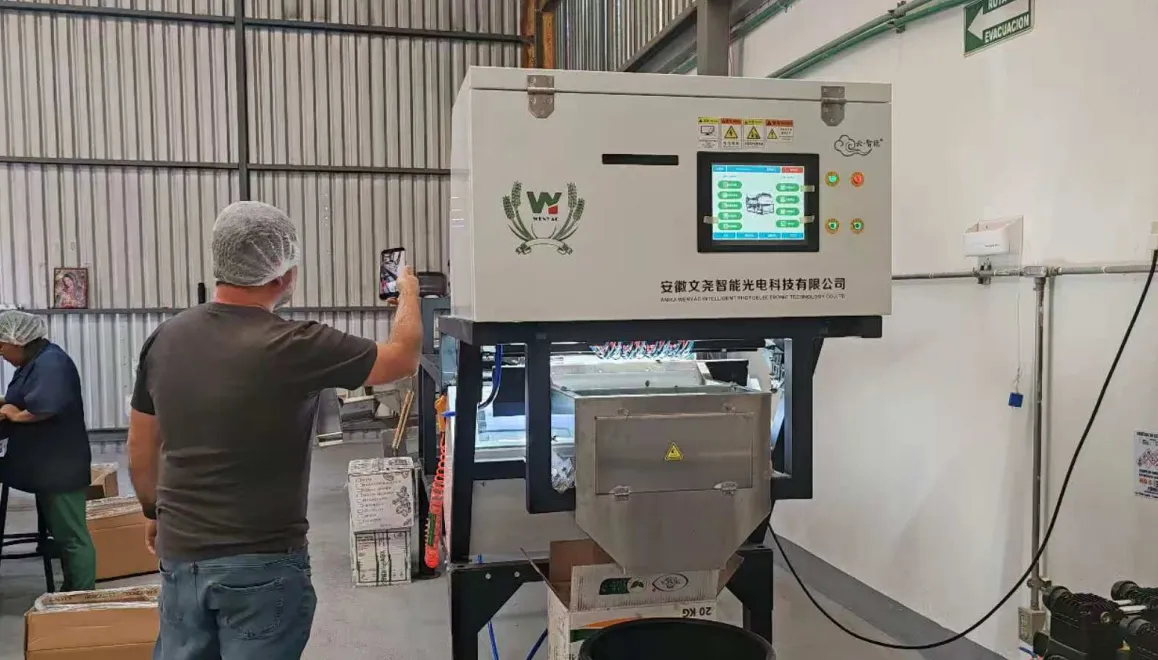
Vietnamese customers use our double-layer tracked color sorter to sort coal ash. Our engineers installed and commissioned it on-site, and the customers are very satisfied with the machine's sorting performance.
1. Industry Background and Core Challenges
Coal production and utilization generate substantial amounts of coal slag and gangue, which typically contain significant proportions of residual carbon. Traditional coal slag sorting methods like manual picking and water washing face several issues:
Low Sorting Efficiency: Manual sorting is labor-intensive and struggles to accurately distinguish coal from gangue, resulting in low recovery rates and significant resource waste.
Environmental Pollution: Water washing consumes large amounts of water and generates wastewater, causing secondary pollution. Dry sorting methods create dust that affects workers' health.
Poor Economic Returns: Traditional methods achieve only 75%-80% coal recovery rate, with unstable quality and high impurity content, diminishing subsequent utilization value.
With growing demand for solid waste resource utilization, the industry urgently needs efficient, precise, and environmentally friendly sorting technology. Intelligent color sorters have emerged as a solution to these challenges.
2. Technical Principles and Advantages of Color Sorters
Color sorters operate based on photoelectric detection principles, utilizing differences in optical characteristics between materials for sorting. During operation, coal slag particles are evenly distributed through a vibrating feeder into the optical detection chamber. High-definition CCD cameras or multispectral sensors capture image information of each particle, which is instantly compared with preset models through intelligent algorithms to identify coal, gangue, and impurities. Upon target detection, the control system directs high-frequency solenoid valves to emit precise air jets that divert gangue or impurities from the main flow, achieving efficient separation.
Modern coal slag color sorters offer particularly outstanding technical advantages:
High Recognition Accuracy: Utilizing high-resolution CCD cameras (such as 5340-pixel linear array scanning CCD) and multispectral fusion technology, they can identify subtle color, texture, and composition differences between coal and gangue, accurately distinguishing areas as small as 0.04mm².
Strong Adaptability: Support both dry and wet sorting modes without pretreatment for materials of different moisture levels. Wide sorting particle size range: dry sorting up to 16 mesh to 5 cm, wet sorting up to 8 mm to 5 cm.
Intelligent Learning Capability: Built-in AI algorithms continuously learn and optimize sorting models, adapting to characteristics of coal slag from different mining areas, making sorting increasingly accurate with use.
3. Key Technical Indicators and Economic Benefits
The performance of color sorters in coal slag sorting applications has been verified through numerous practical cases. The table below compares key indicators between traditional sorting methods and modern color sorters:
Table①: Comparison of Key Technical Indicators for Coal Slag Sorting Methods
| Table: Comparison of Key Technical Indicators for Coal Slag Sorting Methods | |||
| Technical Indicator | Traditional Manual Sorting | Water Washing Method | Modern Color Sorter |
| Coal Recovery Rate | 75%-80% | 80%-85% | ≥95% |
| Sorting Accuracy | - | - | ≥99.5% |
| Processing Capacity | Low (labor-dependent) | Medium | Up to 80 tons/hour |
| Impurity Content | 8%-10% | 5%-8% | ≤0.5% |
| Sorting Cost (USD/ton) | 2.5-3.1 | 1.7-2.1 | 0.7-1.1 |
| Water Consumption | None | 1.2-1.5 tons/ton | None |
| Dust Pollution | Severe | None | ≤10mg/m³ |
The economic benefits of color sorters have been fully demonstrated in various practical applications:
Investment Return Analysis: For a medium-sized factory processing 50,000 tons of coal slag annually, the color sorter system investment is approximately $527,800, recoverable in just three and a half months of operation.
Operating Cost Savings: Color sorter sorting costs are about $0.7-1.1/ton, significantly lower than manual sorting's $2.5-3.1/ton. For annual processing of 50,000 tons, this translates to over $69,400 in annual cost savings.
Resource Value Addition: After color sorter sorting, coal slag calorific value can increase from 3,200 kcal to over 4,800 kcal, meeting power coal sales standards. Recovered coal, calculated by carbon content, equals 0.85 tons of purchased anthracite per ton. At an anthracite price of $201/ton, this can generate over $1.39 million in annual value.
Table②: Economic Benefit Analysis of Color Sorter in Coal Slag Sorting
| Table: Economic Benefit Analysis of Color Sorter in Coal Slag Sorting | ||
| Economic Benefit Indicator | Value | Data Source |
| Investment Payback Period | 3.5 months | Industry Calculation |
| Coal Recovery Value Addition | $16.7-20.8/ton | Industry Estimate |
| Annual Value Creation (Medium Scale) | ~$555,600 | Case Calculation |
| Cost Savings (vs. Traditional Manual) | >$69,400/year | Industry Estimate |
| Solid Emission Reduction | 1,100 tons/year | Case Data |
4. Future Development Trends
Color sorter technology in coal slag sorting continues to innovate:
Deepened Intelligent Integration: AI algorithms will continue to optimize, enabling color sorters with self-learning and adaptive capabilities to automatically adjust sorting parameters based on coal quality changes.
Multi-sensor Technology Fusion: Combining X-ray, near-infrared, and other detection technologies to achieve multi-dimensional sorting by color, composition, density, and other factors, enhancing comprehensive sorting effectiveness.
Standardization and Modularization: Developing standardized sorting modules for different coal slag characteristics, reducing equipment costs and maintenance difficulties, and promoting wider technology adoption.
5. Conclusion
Color sorters are revolutionizing the coal slag sorting field with their high precision, efficiency, and environmental benefits. Practical application data shows that color sorters can not only increase coal recovery rates from 80% with traditional methods to over 95%, but also reduce sorting costs by more than 60%, achieving both economic and environmental benefits. As technology advances and application costs continue to decrease, intelligent color sorting technology is expected to become the standard configuration for green transformation and resource utilization in the coal industry, providing strong technical support for sustainable industry development.