
In the plastic recycling and pelletizing industry, many processors encounter the same problem: a color sorter that works well for white plastic pellets may leave black specs unsorted in transparent pellets. The reason is that different plastic materials have completely different light transmission, physical properties, and impurity types – leading to vastly different sorting challenges.
Common plastic impurities include black specs, scorch marks, yellowed particles, and off‑color contaminants. Defects in transparent pellets are hard to see; color differences in white pellets are subtle; and mixed recyclate contains complex contamination. If the equipment is not matched to the material characteristics, you risk mis‑sorting, false rejects, and high material loss – which not only fails to improve purity but also increases production waste. Therefore, selecting the right plastic color sorter must be based primarily on the material type.
The vast majority of recycled plastic processing plants handle materials that fall into four broad categories. Each type has distinct appearance, applications, and sorting requirements – and serves as the basic starting point for equipment selection.
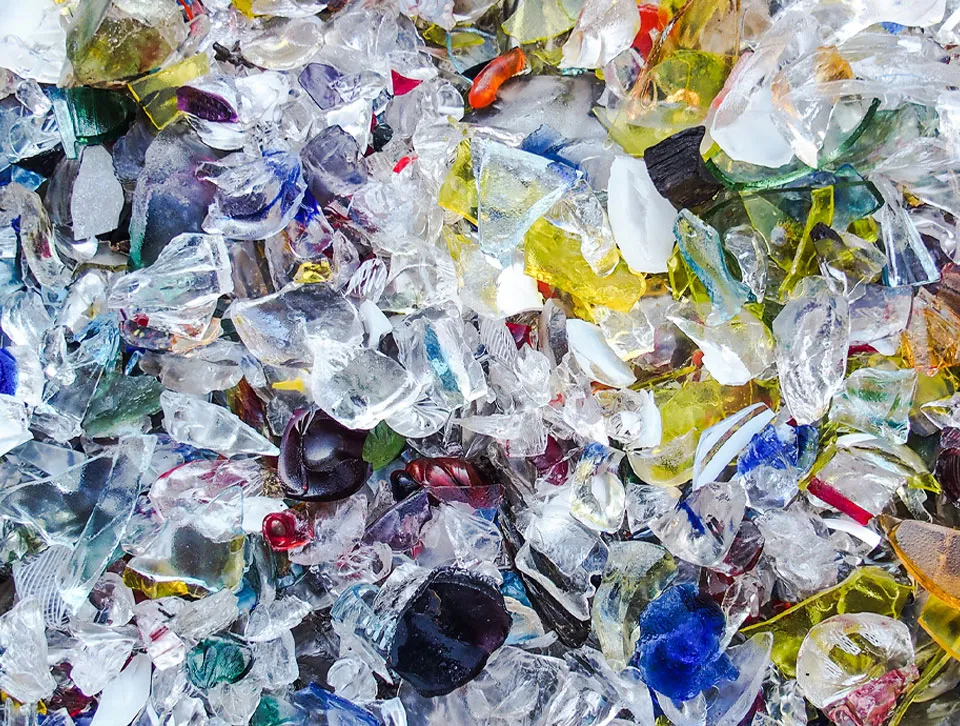
Mainly PET, transparent PP, and transparent PE pellets. They have high clarity and a clean appearance, used mainly in high‑end packaging and food‑grade plastic products. These pellets have strong light transmission, making impurities highly hidden. This is widely recognized as the most difficult material to sort.
Common white ABS and white PP modified pellets, widely used in injection‑molded housings and daily plastic products. The base color is uniform, color differences are relatively easy to detect, and sorting difficulty is moderate. This is one of the highest‑volume plastic categories processed today.
Includes solid‑color pellets such as blue, green, and red. Used in industrial parts and general injection‑molded products. The color differences between materials are distinct; the main sorting need is to remove off‑color pellets and pellets with shade variations. The sorting logic is straightforward and suitable for general‑purpose sorting equipment.
Made from a variety of waste plastics crushed and reprocessed. The material composition is mixed, colors are inconsistent, dust content is high, and impurity types are complex. This is the most difficult material for recycling plants to process, requiring high‑performance recognition algorithms and rugged hardware.
Different plastic pellets not only look different – their defect types and production pain points also vary significantly. Understanding these pain points helps you avoid selection mistakes and match a cost‑effective plastic sorting machine.
| Type | Main Defects | Pains |
|---|---|---|
| Transparent Plastic Pellets | Tiny black specs (≥0.1mm), scorch marks, translucent contaminants | Impurities nearly invisible to naked eye; chute-type sorters suffer lens reflection → high miss rates, poor product quality acceptance |
| White Plastic Pellets | Yellowish spots, brown stains, black specs; oxidation yellowing over time | Manual sorting fails to detect subtle color differences → uneven batch whiteness, limits selling price |
| Colored Plastic Pellets | Mixed colors, shade variations, misshapen waste (e.g., blue/purple/black mix) | Hard to separate similar shades → inconsistent product uniformity |
| Mixed Recyclate Pellets | Black/yellow specs, off-colors, misshapen particles, dust agglomerates | Unpredictable material; ordinary sorters misfire ejectors → high material loss, low production efficiency |
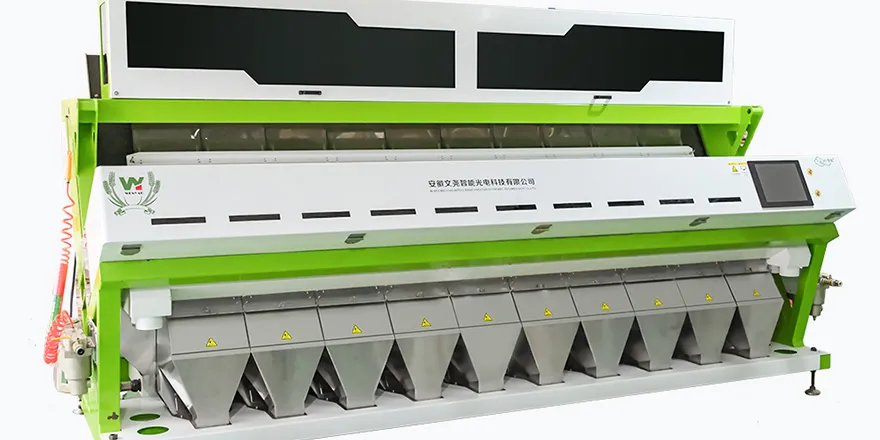
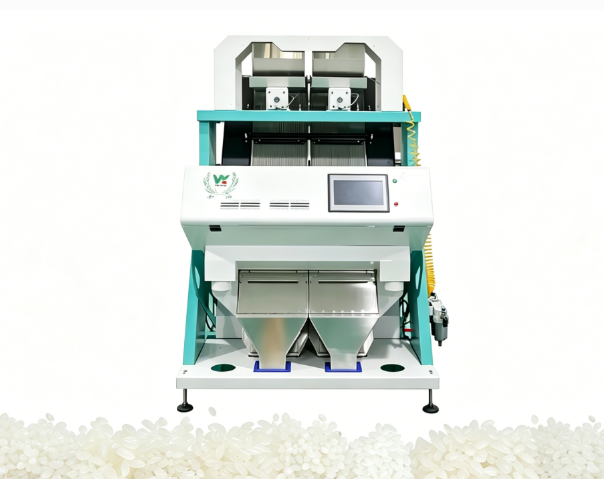
Based on the sorting difficulty and defect characteristics of the four plastic pellet types, we recommend three main machine configurations: dual‑channel, four‑channel, and belt‑type. This targeted approach avoids blind purchasing and maximizes sorting performance.
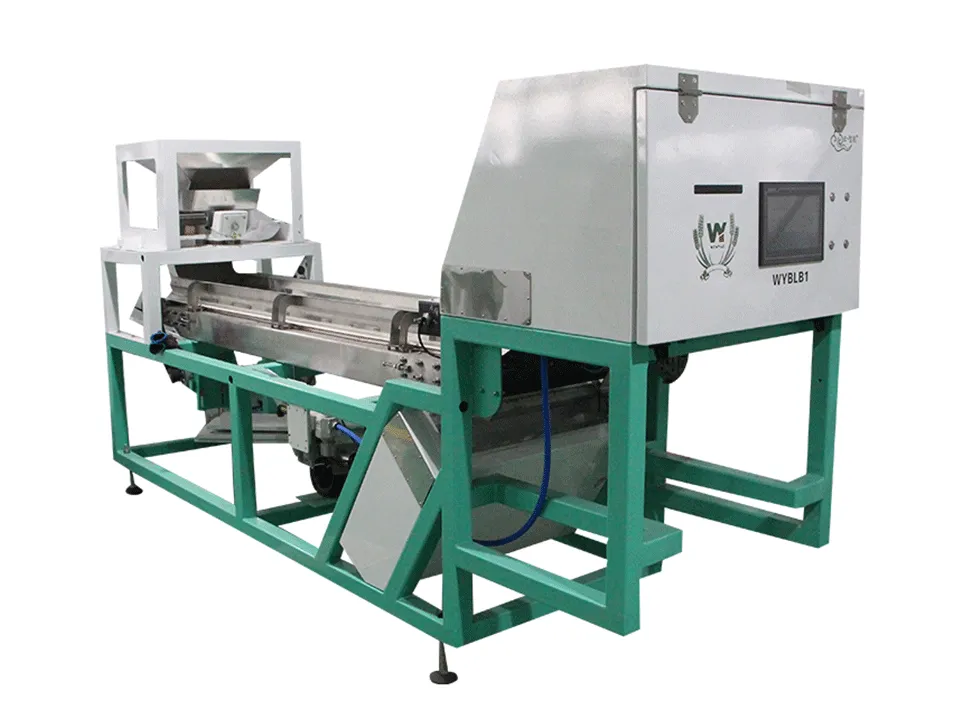
Transparent pellets are prone to reflection and bouncing. Traditional chute‑type machines suffer from material skipping. The belt‑type conveyor provides stable transport with no pellet bounce. Paired with high‑definition anti‑reflection optics, it accurately captures 0.1 mm black specs – the preferred choice for purifying high‑end transparent plastics.
White pellets have high throughput and relatively simple impurities. The four‑channel model offers ample capacity and excellent value for money. It quickly removes black specs and yellowed pellets, meeting the volume needs of medium to large plants while ensuring consistent whiteness.
Colored pellets have distinct color differences and do not require ultra‑high‑end configurations. The dual‑channel model is simple in design, has a low failure rate, and accurately separates off‑color pellets. Ideal for small to medium colored plastic processors looking to control equipment investment.
Equipped with an AI self‑learning algorithm, this machine handles irregular mixed materials, automatically identifying multiple defect types and material variations. Combined with a fully automatic dust removal system, it performs well in high‑dust, harsh production environments – significantly reducing recyclate loss.
Beyond matching the machine to the material type, buyers should also evaluate three core criteria: sorting accuracy, production capacity, and build quality – to ensure the machine meets your needs and avoids post‑purchase issues.
For high‑end plastic processing, you must choose a machine capable of detecting impurities as small as 0.1 mm. Higher accuracy means better removal of black specs and scorch marks, resulting in higher purity – enabling you to supply demanding customers such as injection molders and food‑grade packaging manufacturers.
Small processing plants or trial runs can start with a dual‑channel model. Medium to large plants should prioritize four‑channel units. For high‑end transparent or mixed recyclate lines, directly choose the high‑end belt‑type model – balancing both capacity and accuracy.
Recycled plastic production generates heavy dust and abrasion. Choose equipment with industrial‑grade wear‑resistant frames, corrosion‑resistant ejector valves, and intelligent dust removal systems. High‑quality components have lower failure rates, support 24/7 continuous operation, and reduce long‑term maintenance costs.
Prefer models with AI‑powered algorithms and one‑touch material changeover. These allow fast switching between sorting programs for PET, PP, PE, ABS, and other materials without repeated calibration – adapting to the diverse production needs of modern recycling plants.
Q1: Which plastic pellet type is the most difficult to sort?
Transparent plastic pellets are the hardest. Their high light transmission and reflection hide tiny black specs. Conventional chute‑type sorters cannot reliably detect them – a belt‑type high‑definition color sorter is required.
Q2: What is the best color sorter for mixed recyclate pellets?
A high‑end belt‑type plastic color sorter is recommended. Its AI algorithm handles complex impurities, provides stable conveying, and minimizes material loss – specifically optimized for irregular recyclate.
Q3: Can one color sorter sort multiple plastic types?
Yes. Intelligent models support one‑touch switching between sorting modes for common plastics such as PET, PP, PE, and ABS – no hardware changes needed. Ideal for plants processing multiple material types.
Q4: What is the highest sorting accuracy currently available for plastic color sorters?
Industrial‑grade high‑end models can detect black specs and scorch marks as small as 0.1 mm – meeting the strict purification standards of high‑end modified plastics and food‑grade applications.
Q5: Do I need to buy separate machines for different plastics?
Not necessarily. If you process mixed materials with varying accuracy requirements, a single high‑end belt‑type model can handle transparent, white, colored, and mixed recyclate pellets – offering better overall value.