


Anhui Wenyao Intelligent Photoelectronic Technology Co., Ltd.

Sorting Lentils: How to Remove Discolored Seeds While Minimizing Good-Product Loss

Table of Content [Hide]

    Lentils are important pulse crops used in food processing and global trade. During harvesting and handling, raw lentils may contain discolored seeds, immature grains, damaged particles, and foreign materials that affect product appearance and market acceptance. Global agricultural data from FAOSTAT crop production data provides a reference for understanding worldwide crop production and supply chains.

    For processors, sorting lentils is not only about removing defective grains. The challenge is achieving a balance between removing unwanted materials and preserving as much good product as possible. Excessive rejection can reduce yield, while insufficient sorting can affect final quality. A properly planned sorting process helps processors improve purity, reduce losses, and maintain consistent product standards.

    sorting lentils


    Defining Target Defects and Acceptable Lentils

    The first step in an effective lentil sorting process is defining which defects should be removed and what characteristics represent acceptable products. A color sorter works according to preset quality requirements, identifying differences in appearance rather than simply separating all unusual grains.

    For food processors serving different markets, quality expectations may vary depending on customer requirements, packaging standards, and application needs. International food quality references, such as the Codex food standards, provide globally recognized guidance for food safety and quality practices.

    Common sorting targets include:

    • Discolored or visually damaged seeds

    • Immature or abnormal grains

    • Foreign materials with different optical characteristics

    • Unwanted color variations between products

    A clear definition of acceptable and rejected materials helps operators adjust sorting parameters more effectively. It also provides a foundation for measuring important results such as purity, recovery rate, and overall processing efficiency.


    Preparing Lentils Before the Sorting Process

    Material preparation directly influences sorting accuracy. Before lentils enter the optical sorting stage, cleaning and proper size preparation help create a more stable product flow.

    Dust, inconsistent particle sizes, and overlapping grains may reduce recognition accuracy because optical systems need a clear view of individual products. A stable feeding process allows the sorting system to identify defects more accurately and reduce unnecessary rejection.

    For processors handling different grains and pulses, choosing suitable sorting equipment is an important step. WY Colorsorter provides grain sorting solutions through its grain color sorter products, helping processors evaluate sorting requirements based on material characteristics, quality targets, and production capacity.


    How Feeding Settings Affect Lentil Sorting Losses

    Sorting performance depends on both recognition technology and operating parameters. Feeding speed, sensitivity settings, and rejection timing directly influence the balance between defect removal and good-product recovery.

    If feeding speed is too high, grains may overlap and reduce detection accuracy. If sensitivity settings are too aggressive, acceptable lentils may be removed together with defective products, increasing lentil sorting losses.

    FactorImpact on Sorting ResultsOptimization Focus
    Feeding speedInfluences grain visibility and recognition accuracyMatch throughput with machine capacity
    Sensitivity levelDetermines defect detection intensityAdjust according to quality requirements
    Reject timingAffects removal precisionReduce unnecessary good-product rejection
    Material consistencyImpacts sorting stabilityMaintain proper preparation before sorting

    The optimal settings depend on raw material conditions, defect types, and customer expectations. Testing actual samples before production helps processors find the right balance between purity and recovery.


    Comparing Single-Pass Sorting and Reject Recirculation

    Different production goals require different sorting strategies. Some processors prioritize maximum purity, while others focus on minimizing product loss and improving overall recovery.

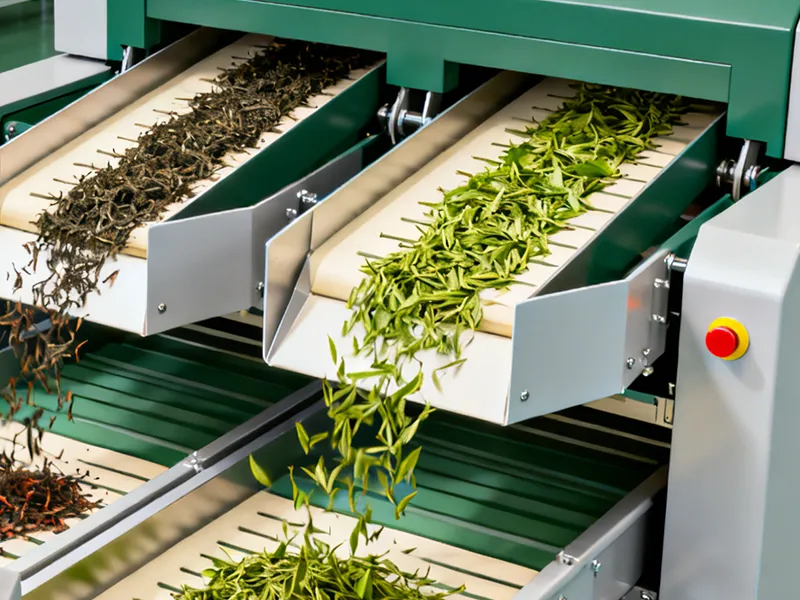
    A single-pass sorting system removes detected defects during one sorting cycle. Reject recirculation allows rejected materials to pass through the sorting process again, creating an opportunity to recover acceptable grains that may have been removed during the first pass.

    Sorting MethodAdvantagesConsiderations
    Single-pass sortingSimple operation and efficient processingRequires careful adjustment to control losses
    Reject recirculationImproves recovery of acceptable productsRequires additional handling and monitoring
    Multiple sorting stagesSupports stricter quality requirementsHigher system complexity

    The appropriate method depends on production volume, quality requirements, and acceptable loss levels. Evaluating both purity and recovery provides a more complete picture of sorting performance.


    Recording Purity, Recovery Rate and Production Efficiency

    A professional sorting process requires continuous performance monitoring. Measuring only the final appearance of lentils does not show whether valuable products are being unnecessarily rejected.

    Processors should record input quantity, accepted product output, rejected material volume, and defect removal performance. These records help identify whether adjustments are improving results or creating additional losses.

    Global lentil production involves multiple growing regions and supply chains. Production references such as lentil production statistics help illustrate why consistent sorting and quality management are important for processors serving different markets.

    For companies planning a sorting project, providing product samples, defect examples, target purity levels, and expected capacity allows suppliers to recommend more suitable solutions.


    Choosing a Lentil Sorting Solution

    Selecting the right sorting system requires understanding both product requirements and production goals. Processors should consider the type of lentils being handled, expected output, quality standards, and acceptable recovery rate.

    A suitable sorting solution should support stable feeding, accurate defect recognition, and efficient rejection control. It should also allow operators to adjust settings as raw material conditions change throughout different harvest periods.

    WY Colorsorter helps food processing companies evaluate sorting applications based on different materials and production requirements. By sharing product samples and processing targets, businesses can discuss solutions that match their quality and efficiency goals.


    Conclusion

    Efficient sorting lentils requires a careful balance between defect removal and good-product recovery. By defining quality targets, preparing materials properly, optimizing feeding parameters, and monitoring purity and loss rates, processors can improve both product quality and operational efficiency. A well-designed sorting process reduces unnecessary waste while helping businesses maintain consistent standards for customers. WY Colorsorter supports grain processing applications with color sorting solutions designed around different materials, quality requirements, and production conditions.


    Frequently Asked Questions

    What defects can sorting lentils remove?

    Color sorting can identify visible differences such as discolored seeds, damaged grains, and certain foreign materials with different optical characteristics.

    Why is preparation important before lentil sorting?

    Proper cleaning and material preparation improve grain visibility and help optical systems achieve more accurate recognition.

    How can processors reduce lentil sorting losses?

    Adjusting feeding speed, sensitivity settings, and rejection parameters can help reduce unnecessary removal of acceptable products.

    Is one sorting stage enough for lentil processing?

    It depends on the quality target. Some applications may require reject recirculation or additional sorting stages.

    What information should be provided before selecting a lentil sorter?

    Processors should provide material samples, defect examples, required purity levels, and expected production capacity.

    How is sorting performance measured?

    Common measurements include purity, recovery rate, reject quantity, and production efficiency.

    Quanwen Bi, Mechanical Designer & Company Founder
    Quanwen Bi, Mechanical Designer & Company Founder

    Founded Anhui Wenyao Intelligent Photoelectronic Technology Co., Ltd. in 2007, with over 20 years of experience in color sorter design.

    References
    wenyao
    We use cookies to offer you a better browsing experience, analyze site traffic and personalize content. Part of the tracking is necessary to ensure SEO effectiveness,
    By using this site, you agree to our use of cookies. Visit our cookie policy to learn more.
    Reject Accept