

Anhui Wenyao Intelligent Photoelectronic Technology Co., Ltd.

Sesame Seed Cleaning: Where Color Sorting Fits After Screening and Destoning

Table of Content [Hide]

    Sesame seeds are widely used in food processing, oil production, and international trade. Before packaging or further processing, raw sesame materials usually require multiple cleaning stages to remove impurities and improve consistency.

    A complete sesame seed cleaning process does not rely on a single machine. Different technologies handle different types of impurities. Screening separates materials based on size, destoning removes heavier particles, and color sorting identifies visual defects that mechanical cleaning methods cannot detect.

    Understanding where color sorting fits within the cleaning line helps processors improve product quality, reduce unnecessary losses, and create a more stable production process. Global agricultural information from FAOSTAT crop production data provides references for understanding worldwide agricultural supply chains and the importance of consistent processing standards.


    Main Types of Impurities Found in Sesame Seeds

    Raw sesame seeds may contain different types of unwanted materials depending on harvesting conditions, transportation, and storage environments. These impurities can affect product appearance, processing efficiency, and customer acceptance.

    The first step in designing an effective cleaning process is understanding the difference between physical impurities and visual defects. Stones, plant residues, and oversized materials usually require mechanical separation, while discolored or abnormal seeds require optical inspection.

    For food processors supplying different markets, quality management is also connected with internationally recognized food standards. The Codex Alimentarius food standards developed by FAO and WHO provide global references for food safety and quality practices.

    sesame seed cleaning process


    Screening, Destoning and Color Sorting: Different Responsibilities

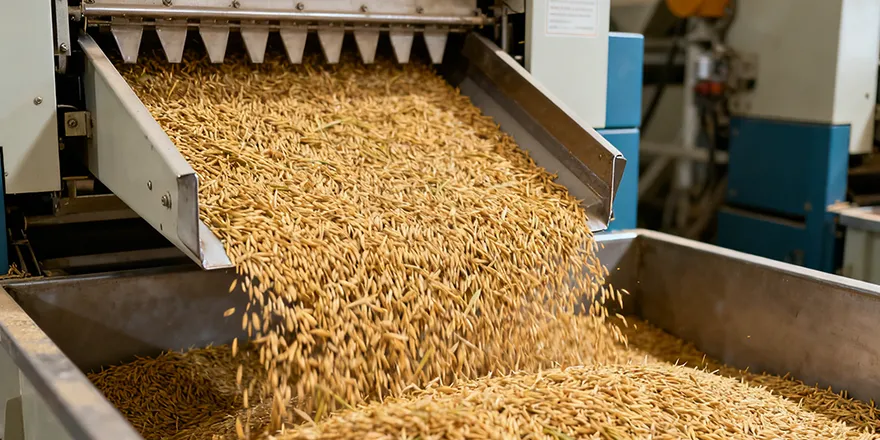
    A complete sesame cleaning line combines several technologies, with each stage solving a different quality challenge. Screening, destoning, and color sorting should work together rather than replace one another.

    Cleaning StageMain PurposeTypical Materials Removed
    ScreeningSeparates materials according to size differencesOversized particles, small impurities, broken materials
    DestoningSeparates materials according to density differencesStones and heavier foreign particles
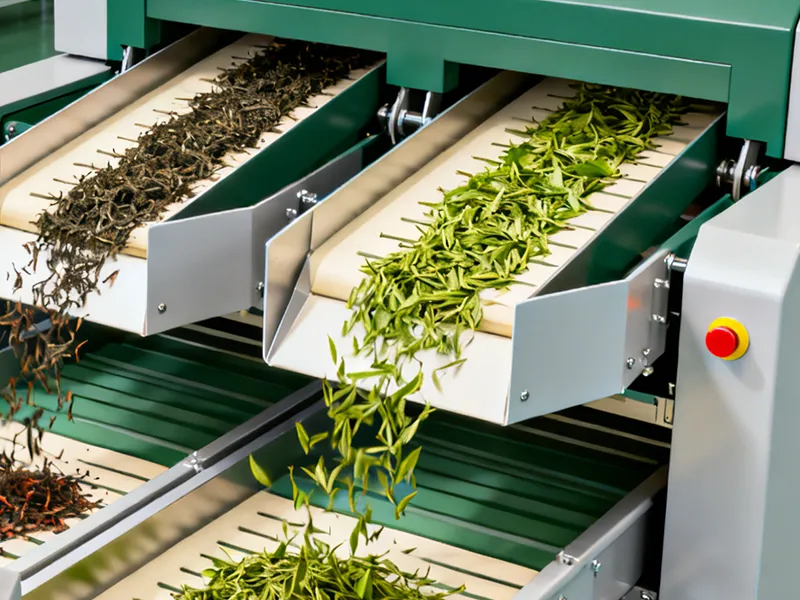
    Color sortingSeparates materials according to visual differencesDiscolored seeds, abnormal seeds, appearance defects

    Screening and destoning prepare sesame seeds for optical inspection by creating a cleaner and more consistent material flow. After these processes, color sorting can focus on identifying defects that cannot be removed through traditional mechanical methods.

    For processors, choosing the correct sequence depends on raw material conditions, quality requirements, and production targets. A well-designed process reduces unnecessary rejection while improving final product consistency.


    Where Color Sorting Fits in a Sesame Cleaning Line

    The position of color sorting depends on the condition of incoming materials and the required quality standard. In many sesame processing applications, color sorting is placed after initial cleaning stages because a cleaner product stream allows optical systems to detect defects more effectively.

    A typical sesame cleaning process may include several connected stages, from preliminary cleaning and separation to final optical inspection. Each stage prepares the material for the next step and helps improve overall efficiency.

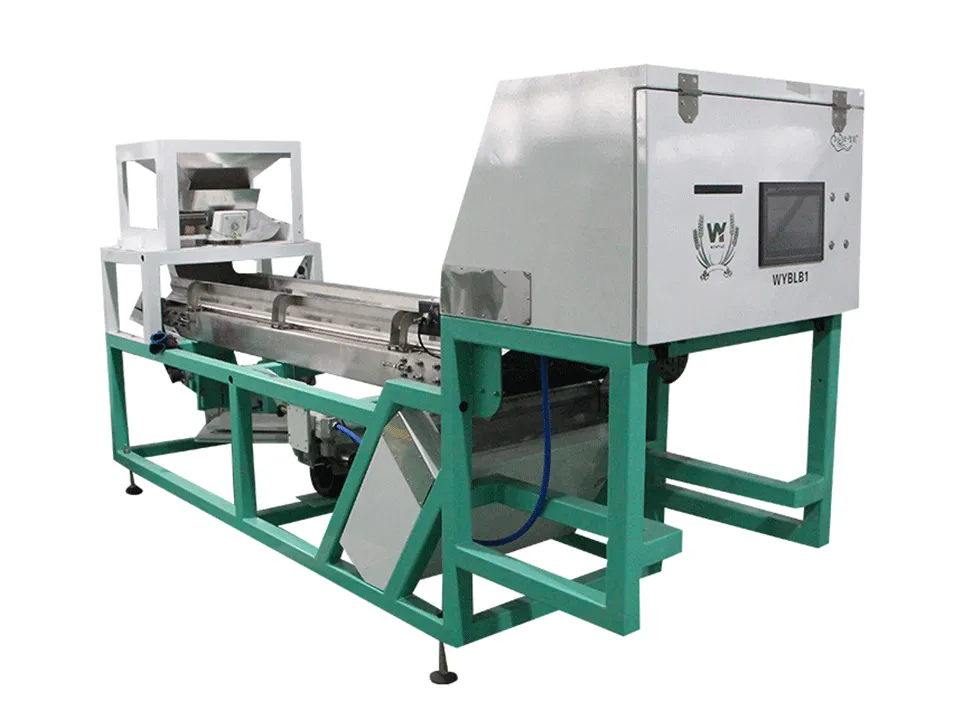
    Processors evaluating a dedicated sorting solution can review WY Colorsorter’s sesame color sorter solutions to understand how optical sorting can support different sesame applications.

    The correct placement of color sorting should be determined through testing. Factors such as sesame variety, defect type, moisture condition, impurity level, and target purity all influence the most suitable process arrangement.


    Preparing Samples and Optimizing the Sorting Process

    Before selecting or adjusting sorting equipment, processors should provide representative samples that reflect actual production conditions. Different sesame materials may require different sorting parameters depending on appearance, defect characteristics, and quality expectations.

    Important sample information includes:

    • Normal acceptable sesame seeds

    • Typical defective seeds

    • Foreign materials requiring removal

    • Expected production volume and quality targets

    Sample testing helps suppliers understand the application more accurately and allows processors to evaluate possible sorting results before large-scale production.

    A stable feeding condition is also important. Uneven material flow or excessive overlapping seeds may reduce optical recognition accuracy. Proper preparation before sorting allows the equipment to identify defects more consistently and reduce unnecessary product rejection.


    Evaluating the Performance of a Complete Cleaning Line

    A successful sesame cleaning process should be evaluated by overall results rather than the performance of one individual machine. The goal is not only to remove defects but also to maintain a high recovery rate of acceptable products.

    Processors should monitor factors such as purity, defect removal performance, rejected material quantity, and production stability. These measurements help identify whether adjustments are improving quality or creating additional losses.

    Agricultural supply chains involve multiple production regions and quality requirements. Reference data such as lentil and crop production statistics from international agricultural databases demonstrates the importance of consistent processing methods across global markets.

    For companies upgrading an existing cleaning line, reviewing the complete workflow from raw material intake to final packaging can reveal opportunities to improve efficiency and product quality.


    Conclusion

    An effective sesame seed cleaning process depends on the cooperation of screening, destoning, and color sorting technologies. Each stage has a specific role, and combining them correctly helps processors achieve better purity while reducing unnecessary product loss. Color sorting provides additional quality control by identifying visual defects that traditional cleaning methods may miss. By evaluating raw material conditions, production goals, and quality requirements, processors can build a more efficient cleaning system. WY Colorsorter supports agricultural processors with sorting solutions designed for different materials and production needs.


    Frequently Asked Questions

    Why is color sorting needed after screening and destoning?

    Screening and destoning remove physical impurities, while color sorting identifies visual defects such as discolored or abnormal seeds.

    Can one machine complete the entire sesame cleaning process?

    Usually not. Different cleaning technologies target different impurity types, so multiple stages are often combined.

    What affects sesame color sorting accuracy?

    Factors such as material preparation, feeding stability, defect characteristics, and sorting parameter settings can influence results.

    Should color sorting be before or after destoning?

    In many applications, color sorting is performed after basic cleaning because a more consistent material flow improves detection accuracy.

    What samples should be provided for a sesame sorting test?

    Processors should provide representative sesame samples, defect examples, quality targets, and expected production conditions.

    How can processors evaluate cleaning line performance?

    Common measurements include final purity, recovery rate, rejected material quantity, and production efficiency.

    Quanwen Bi, Mechanical Designer & Company Founder
    Quanwen Bi, Mechanical Designer & Company Founder

    Founded Anhui Wenyao Intelligent Photoelectronic Technology Co., Ltd. in 2007, with over 20 years of experience in color sorter design.

    References
    wenyao
    We use cookies to offer you a better browsing experience, analyze site traffic and personalize content. Part of the tracking is necessary to ensure SEO effectiveness,
    By using this site, you agree to our use of cookies. Visit our cookie policy to learn more.
    Reject Accept