





Anhui Wenyao Intelligent Photoelectronic Technology Co., Ltd.

Quartz Color Sorting Tests: How to Evaluate Feed Size, Visible Impurities and Product Yield

Table of Content [Hide]

    Quartz processing requires careful quality evaluation because raw materials may contain visible impurities, color variations, and particles with different characteristics. Before investing in sorting equipment, conducting a quartz color sorting test helps processors understand how their materials perform under actual production conditions.

    A reliable test should not focus only on removing unwanted materials. It should also evaluate product recovery, particle size distribution, and the balance between cleaner output and acceptable yield. Quartz quality can vary significantly depending on mineral composition and impurity conditions. Research on quartz purification shows that different impurity types can influence processing requirements and final product quality.

    Why Representative Quartz Samples Matter Before Color Sorting

    A successful sorting evaluation starts with representative samples. The test material should reflect normal production conditions, including particle size range, impurity types, and expected product requirements.

    A sample that does not represent actual production may lead to inaccurate conclusions. For example, a sample containing only obvious impurities may make sorting performance appear better than what would happen during continuous operation.

    Important sample preparation considerations include:

    • Collecting samples from normal production batches

    • Including typical impurity conditions

    • Recording particle size information

    • Defining expected product quality targets

    A properly prepared sample allows processors and suppliers to evaluate sorting performance more accurately. It also helps identify whether challenges come from raw material conditions, sorting parameters, or equipment configuration.

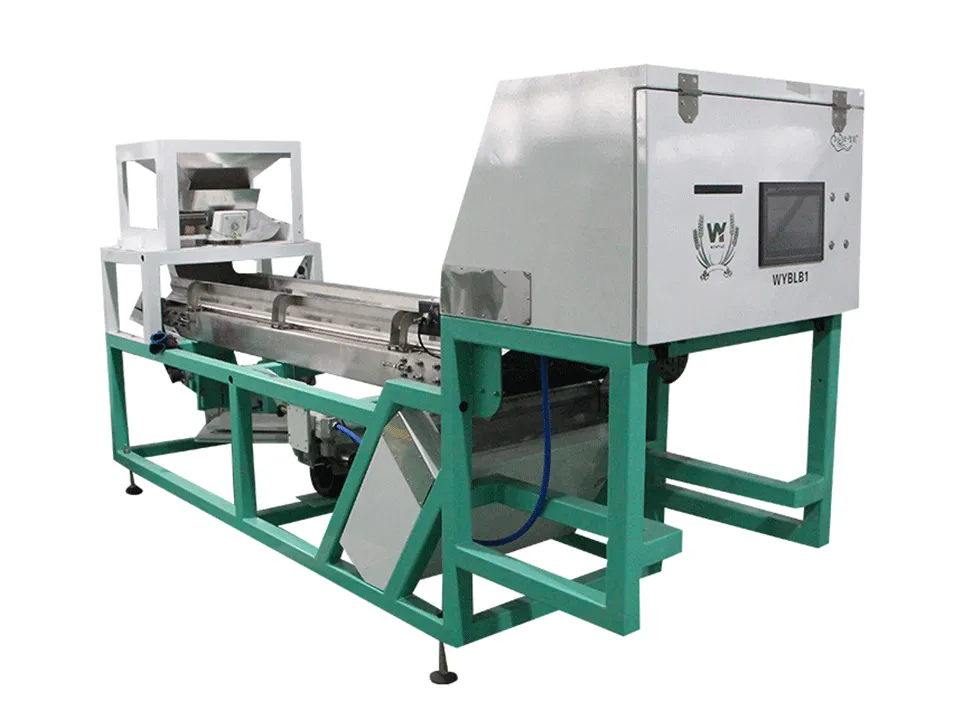
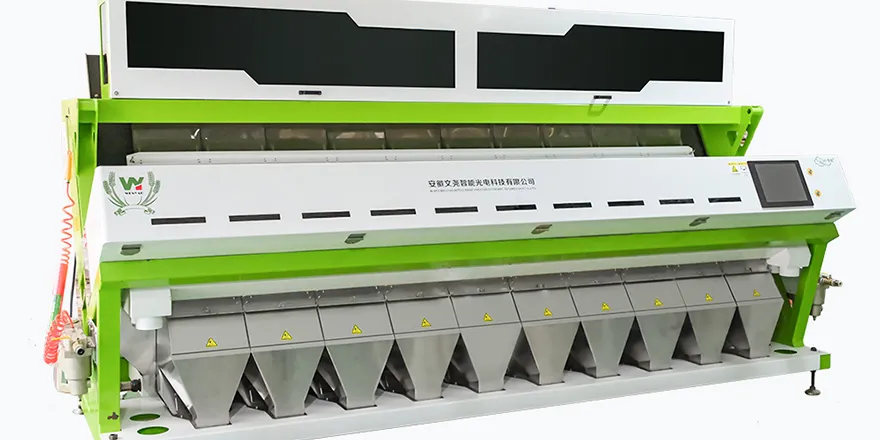
    For companies evaluating equipment solutions, WY Colorsorter provides a dedicated quartz color sorter designed for different quartz materials and processing requirements.

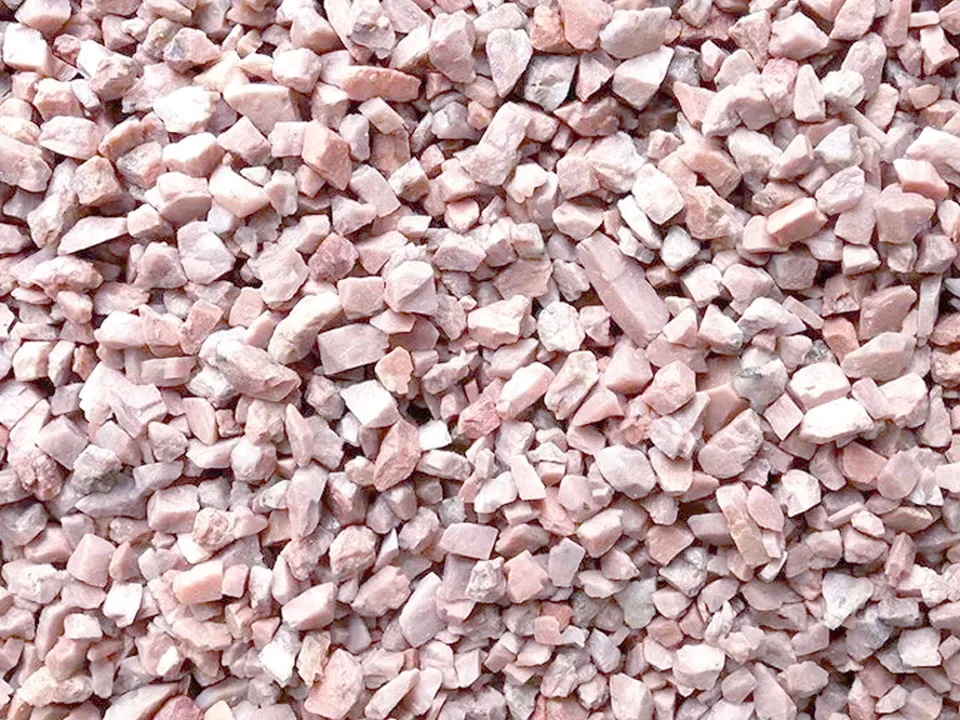
    quartz color sorting test


    How Particle Size and Visible Defects Affect Sorting Evaluation

    Particle size has a direct influence on sorting performance. Quartz materials with different size ranges may require different feeding conditions, recognition settings, and equipment configurations. Stable particle flow allows optical systems to inspect materials more effectively.

    Visible impurities are another important evaluation factor. Color sorting technology identifies differences in appearance, such as color contrast and surface characteristics. However, visible sorting results should not be considered equivalent to chemical purity testing.

    Industrial quartz applications have different quality requirements depending on the final use. The USGS provides detailed information about silica resources, classifications, and industrial applications, which helps explain why different quartz products may require different quality standards.

    A quartz color sorter can improve visual quality and remove visible defects, but laboratory analysis may still be required when chemical composition needs to be verified.


    Standardizing Test Conditions for Reliable Quartz Sorting Results

    A quartz color sorting test should be performed under consistent conditions to create meaningful results. Changing multiple factors at the same time makes it difficult to determine which factor affects sorting performance.

    Test conditions may include material quantity, feeding speed, particle size range, sorting sensitivity, and target quality requirements. A controlled testing process allows processors to compare results and identify suitable operating parameters.

    The goal of testing is not simply to remove the maximum amount of unwanted material. Excessive rejection may reduce product yield, while insufficient sorting may affect final quality. The best solution depends on balancing impurity removal and material recovery.


    Comparing Yield and Impurity Removal Results

    Sorting performance should be evaluated through multiple indicators rather than a single result. Comparing impurity removal and product recovery helps processors understand the practical value of a sorting solution.

    Evaluation FactorWhat It MeasuresWhy It Matters
    Impurity removal rateAmount of visible unwanted material removedShows sorting effectiveness
    Product yieldAmount of acceptable quartz recoveredIndicates recovery performance
    Output consistencyStability during repeated testsSupports reliable production
    Particle size performanceSorting ability across different sizesHelps determine equipment suitability

    A balanced evaluation prevents processors from focusing only on rejection rate. A system that removes more material is not always better if valuable product recovery decreases significantly.


    Using Test Reports to Support Equipment Selection

    A detailed test report connects sample evaluation with purchasing decisions. Instead of relying only on general equipment specifications, processors can review how the sorting system performs with their own quartz materials.

    A useful test report should include sample information, particle size range, testing conditions, sorting results, recovery data, and recommended operating parameters.

    These records help suppliers understand customer requirements and allow processors to compare solutions more effectively. They also provide a reference for equipment acceptance after installation.

    When planning a quartz sorting project, providing representative samples, impurity examples, particle size information, and final application requirements can improve equipment recommendations.


    Conclusion

    A quartz color sorting test is an important step for evaluating sorting performance before equipment investment. By preparing representative samples, analyzing particle size and visible impurities, and comparing yield with rejection results, processors can better understand the practical value of a sorting solution. Color sorting should be considered as part of a complete quality control process rather than a replacement for laboratory testing. WY Colorsorter helps quartz processors evaluate material characteristics, sorting requirements, and production goals before selecting suitable equipment.


    Frequently Asked Questions

    Why is sample testing important before choosing a quartz sorter?

    Sample testing helps evaluate actual material performance and provides more realistic expectations for sorting results.

    Can quartz color sorting measure chemical purity?

    No. Color sorting focuses on visible differences. Chemical purity requires laboratory testing methods.

    How does particle size affect quartz sorting?

    Particle size influences feeding stability, recognition accuracy, and equipment parameter selection.

    What samples should be provided for a quartz sorting test?

    Processors should provide representative materials, impurity examples, particle size information, and target product requirements.

    How is quartz sorting performance evaluated?

    Common evaluation factors include impurity removal, product yield, output consistency, and processing stability.

    Can sorting settings be adjusted after installation?

    Yes. Parameters can be optimized according to material conditions, production requirements, and operating experience.

    Quanwen Bi, Mechanical Designer & Company Founder
    Quanwen Bi, Mechanical Designer & Company Founder

    Founded Anhui Wenyao Intelligent Photoelectronic Technology Co., Ltd. in 2007, with over 20 years of experience in color sorter design.

    References
    wenyao
    We use cookies to offer you a better browsing experience, analyze site traffic and personalize content. Part of the tracking is necessary to ensure SEO effectiveness,
    By using this site, you agree to our use of cookies. Visit our cookie policy to learn more.
    Reject Accept