
Anhui Wenyao Intelligent Photoelectronic Technology Co., Ltd.

Peanut Sorting Losses: How to Reduce Good Kernels in the Reject Stream

Table of Content [Hide]

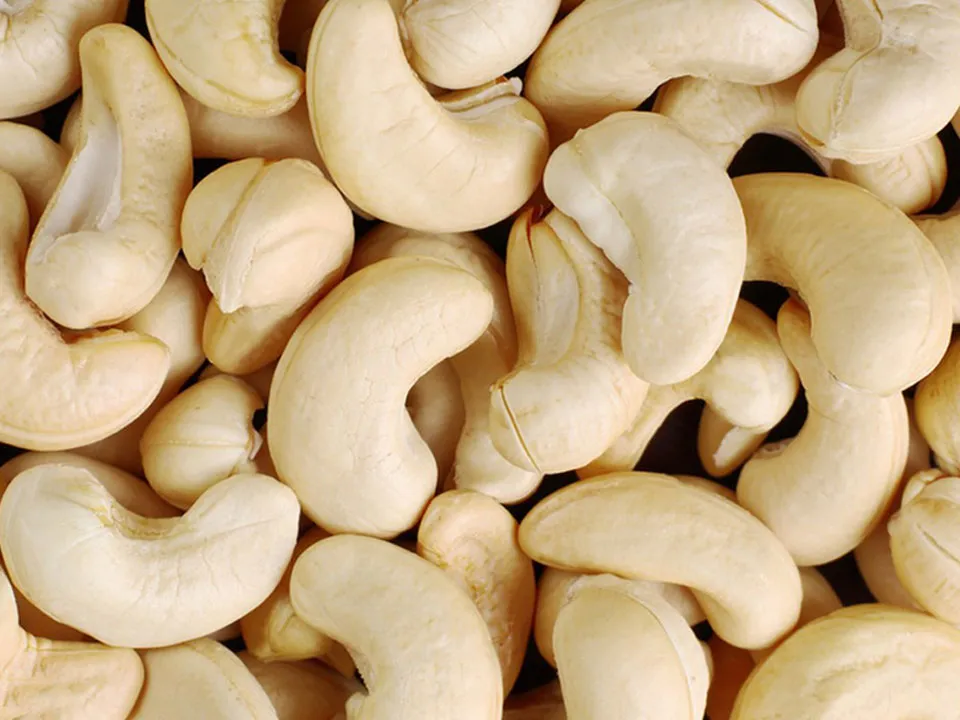
    Peanut processing requires a careful balance between removing defective materials and preserving valuable kernels. During color sorting, some acceptable peanuts may enter the reject stream together with damaged, discolored, or abnormal products. These unnecessary removals can reduce yield and increase processing costs.

    Managing peanut sorting losses is not only about adjusting machine sensitivity. It requires analyzing the complete sorting process, including material preparation, feeding stability, defect recognition, rejection settings, and recovery strategies.

    For peanut processors, the goal is to improve product purity while maximizing peanut kernel recovery. FAO guidance on peanut post-harvest quality guidance highlights the importance of cleaning, sorting, and removing defective kernels during peanut processing. A well-optimized sorting process helps businesses reduce waste, improve efficiency, and maintain consistent product quality.


    Defining Good Kernel Losses During Peanut Sorting

    Good kernel loss occurs when acceptable peanuts are incorrectly removed during the sorting process. A color sorter identifies differences in appearance, including color, shape, and surface characteristics, but natural variations between kernels can sometimes affect recognition accuracy.

    Before optimizing a sorting process, processors should clearly define which defects should be removed and which products should be recovered. Different markets may have different quality expectations, so sorting standards should match the final application.

    Important factors affecting good kernel loss include:

    • Raw material quality and defect distribution

    • Peanut variety and natural appearance differences

    • Feeding stability

    • Sorting sensitivity settings

    • Reject air valve timing

    A clear understanding of these factors helps processors identify whether losses are caused by raw material conditions, machine settings, or process limitations. The objective is not to remove every visually different kernel, but to achieve the right balance between product purity and recovery rate.


    Checking the Reject Stream Through Sampling Analysis

    The reject stream provides valuable information about sorting performance. Instead of checking only the final accepted product, processors should analyze rejected materials to determine whether good kernels are being removed unnecessarily.

    Reject sampling helps identify whether losses come from incorrect settings, unstable feeding, or challenging raw materials. By comparing defective materials and acceptable kernels inside the reject stream, processors can understand whether adjustments are improving performance.

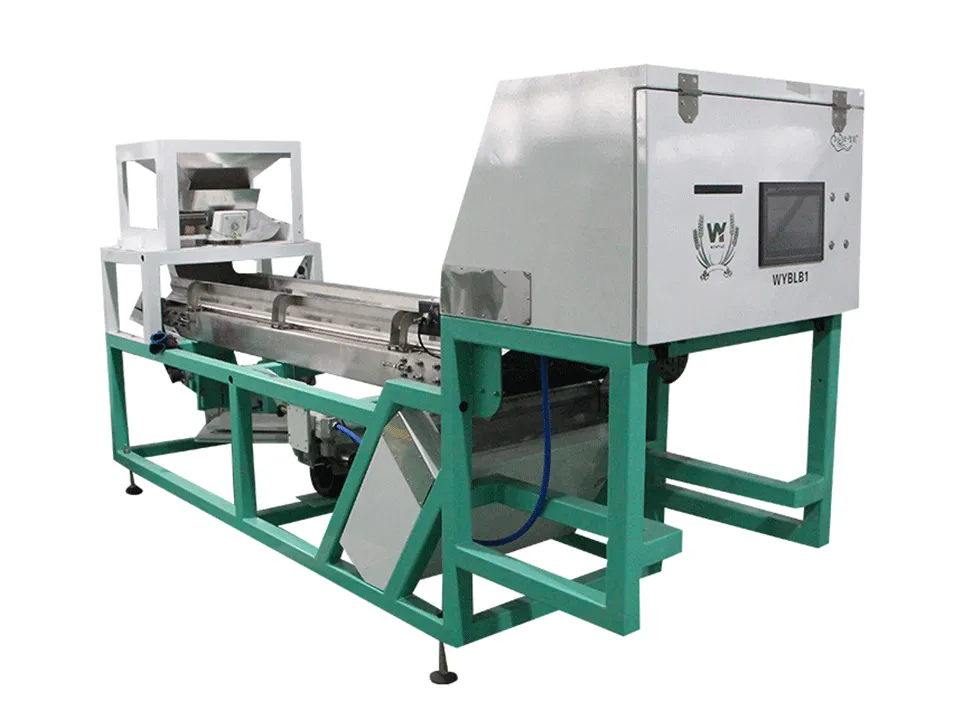
    For companies evaluating sorting equipment, WY Colorsorter provides peanut sorting solutions through its peanut color sorter, helping processors evaluate applications according to product characteristics and production requirements.

    A practical reject analysis should focus on actual production conditions. Testing representative samples allows processors to make decisions based on real material behavior instead of relying only on standard settings.

    peanut-sorting-losses


    How Feeding, Recognition and Air Rejection Affect Sorting Losses

    Sorting performance depends on the relationship between feeding, optical recognition, and rejection control. If feeding conditions are unstable, peanuts may overlap and reduce detection accuracy. If sensitivity settings are too strict, acceptable kernels may enter the reject stream.

    Process FactorImpact on Sorting ResultsOptimization Direction
    Feeding consistencyAffects camera recognition accuracyMaintain stable product flow
    Recognition settingsInfluences defect detection levelMatch settings with quality requirements
    Air rejection timingDetermines removal precisionOptimize valve response
    Raw material conditionChanges sorting difficultyTest samples before production

    Processors should evaluate these factors step by step rather than changing multiple parameters at the same time. A structured adjustment process makes it easier to identify the actual cause of increased losses.

    Effective peanut sorting optimization focuses on improving the relationship between defect removal and product recovery rather than simply increasing rejection intensity.


    When Reject Recirculation Can Improve Kernel Recovery

    Reject recirculation allows rejected materials to pass through the sorting process again, creating another opportunity to recover acceptable kernels. This method can be useful when the reject stream contains a meaningful amount of good product.

    However, additional sorting stages also increase equipment complexity and operating requirements. Processors should compare the value of recovered kernels with the additional processing cost before adding another sorting step.

    The decision depends on production volume, quality requirements, and the percentage of recoverable material found in reject samples. For large-scale peanut processing operations, even a small improvement in recovery rate can create measurable economic benefits.


    Optimizing Peanut Sorting Performance for Long-Term Efficiency

    Reducing peanut sorting losses requires continuous monitoring rather than one-time adjustment. Raw materials may change because of harvest conditions, suppliers, storage environments, and seasonal differences.

    Processors should maintain records of input quantity, accepted product output, reject volume, and sorting adjustments. These records help identify trends and support better production decisions.

    Loss evaluation is also important when improving agricultural processing efficiency. The FAO framework on post-harvest loss analysis methods provides references for evaluating quality and quantity losses throughout agricultural processing chains.

    For companies improving sorting performance, providing peanut samples, defect examples, production capacity, and target quality levels allows suppliers to recommend more suitable configurations.


    Calculating the Value of Sorting Improvements

    The value of reducing sorting losses depends on recovered product quantity, raw material cost, and production volume. Even a small reduction in unnecessary rejection can create significant savings for high-volume processors.

    A practical evaluation should compare results before and after optimization. Processors can measure changes in reject composition, recovery rate, and final product quality.

    Improving sorting performance is not only an equipment adjustment issue. It is a process management task involving raw material analysis, machine configuration, operator experience, and continuous evaluation.


    Conclusion

    Reducing peanut sorting losses requires a balance between defect removal and good kernel recovery. By analyzing reject streams, improving feeding conditions, optimizing recognition settings, and evaluating recovery opportunities, processors can reduce unnecessary waste while maintaining quality standards. A data-driven sorting strategy helps businesses improve efficiency and make better production decisions. WY Colorsorter supports peanut processing applications with color sorting solutions designed around different materials, quality requirements, and production goals.


    Frequently Asked Questions

    What causes good peanuts to enter the reject stream?

    Good kernels may be rejected because of similar appearance characteristics, strict sensitivity settings, unstable feeding, or incorrect rejection timing.

    How can peanut processors measure sorting losses?

    Processors can analyze reject samples and compare the amount of recoverable kernels with defective materials in the reject stream.

    Does higher sorting sensitivity always improve quality?

    No. Higher sensitivity may remove more defects but can also increase unnecessary rejection of acceptable kernels.

    When should reject recirculation be considered?

    It should be considered when rejected materials contain enough recoverable product and the additional processing cost is justified.

    What information should be provided before selecting a peanut sorter?

    Processors should provide peanut samples, defect examples, production capacity, and quality requirements.

    How often should sorting parameters be adjusted?

    Adjustments should be reviewed when raw materials, suppliers, quality targets, or production conditions change.

    Quanwen Bi, Mechanical Designer & Company Founder
    Quanwen Bi, Mechanical Designer & Company Founder

    Founded Anhui Wenyao Intelligent Photoelectronic Technology Co., Ltd. in 2007, with over 20 years of experience in color sorter design.

    References
    wenyao
    We use cookies to offer you a better browsing experience, analyze site traffic and personalize content. Part of the tracking is necessary to ensure SEO effectiveness,
    By using this site, you agree to our use of cookies. Visit our cookie policy to learn more.
    Reject Accept